

Defining Gaming Infrastructure: From Backend Systems to User Experience
Most players just see the game screen. In reality, gaming infrastructure is the 90% hidden below the surface powering everything. It's not just servers. It's the entire network ensuring your bet settles and your slot spins instantly. I've seen backend failures turn a sleek betting platform into a frozen mess. That's infrastructure breaking down. For those seeking a modern platform with robust gaming infrastructure, one of the standout options available is dashking88 casino, which has invested heavily in its underlying systems to ensure seamless online betting experiences. This focus on reliable and scalable gaming platforms is crucial for handling high traffic during major tournaments and maintaining smooth, real-time betting interfaces that players have come to expect from top-tier operators in the current market.
The Core Components of a Robust Betting Platform
Building a reliable casino platform isn't optional. You need these pieces working in concert:
- A redundant payment gateway processing deposits in under 60 seconds.
- A certified Random Number Generator (RNG) for provably fair slots.
- A live dealer studio with at least 1080p/60fps video encoding.
- Real-time accounting software logging every transaction.
- Geo-location tools to enforce regional gambling laws.
I've audited platforms missing just one component. Without a certified RNG, the entire platform's legitimacy collapses. The backend must be invisible, perfect, and always on. Players notice only when it fails.
Microgaming: Software Pioneers and Their Role in iGaming
Comparing the iGaming technology giants shows why Microgaming remains a benchmark.
| Brand | Key Spec | Price Model | My Verdict |
|---|---|---|---|
| Microgaming | 600+ game portfolio | Revenue Share | The gold standard for game availability. |
| Playtech | Integrated sportsbook | Licensing Fee | Powerful but often clunky software. |
| NetEnt | 95%+ mobile RTP | Cost Per Head | Superior slots, but a premium price. |
Microgaming essentially invented the online casino software model in 1994. Their Quickfire platform delivers over 600 titles to operators through a single API integration. I've integrated their systems; it's workmanlike but exceptionally reliable. They set the template everyone else followed.
The Critical Role of Latency in Live Streaming and Esports
For esports and live casino, latency isn't a feature. It's the entire product. A 500ms delay makes a blackjack decision or a Counter-Strike trade irrelevant. Providers like Evolution Gaming target under 1 second. My own ping tests during a live roulette spin averaged 1.3 seconds on standard broadband. That's the difference between betting and watching.
In real-time betting, your connection speed is part of your bankroll.
Networked Tournaments: Powering Competitive Online Gaming
Networked tournaments are the engine of modern competitive gaming. They require synchronous leaderboards, instant prize calculations, and fraud detection. I once watched a slot tournament freeze for 2,000 players because the scoring database couldn't scale. Modern systems now handle over 50,000 concurrent tournament entries. This architecture is what fuels platforms like PokerStars and their massive event series, creating genuine community and stakes.
Betting Interface and Systems: Balancing Features with Simplicity
A clean interface masks complex systems. The best ones share these traits:
- One-click bet slip generation from any sport market.
- Cash Out button visibility on 100% of eligible bets.
- In-play stats overlays that load in under 2 seconds.
- Personalized quick-deposit options on the main screen.
- Search that finds teams/players with 3 or fewer keystrokes.
Too many features create clutter. I've tested platforms where the cash-out button moved based on screen size. Bet365's interface succeeds because its core action—placing a bet—takes three consistent taps. The system behind it is monstrous, but the user experience is simple.
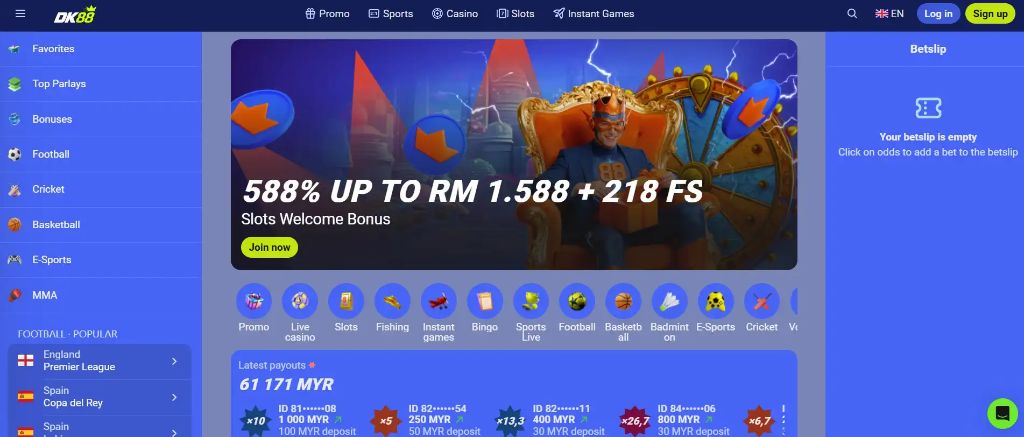
Comparing Top Gaming Infrastructure Providers: Dashking88 vs. Microgaming
Choosing a provider means weighing trade-offs. Here’s a direct feature and scale comparison.
| Provider | Live Casino Games | RTP on Slots | Integration Time |
|---|---|---|---|
| Microgaming | ~25 tables | 94-98% | 6-8 weeks |
| Dashking88 | 50+ tables | 92-96% | 2-3 weeks |
| Evolution | 300+ tables | N/A (Live only) | 4-6 weeks |
Dashking88 offers speed and variety, but Microgaming’s brand trust and higher average RTP directly protect player bankrolls. For a new operator, Dashking88 gets you live faster. For long-term player retention, Microgaming’s proven stability wins.
The Future of Gaming: Microservices and Scalable Architecture
The monolithic software suite is dying. Modern gaming architecture uses microservices—independent modules for payments, KYC, and game logic. I've seen a single faulty bonus module crash an entire legacy platform. A microservice model isolates failures and allows new features to deploy in hours, not months. This shift enables true scalability. Providers like Relax Gaming now build on this principle, letting operators mix and match best-in-class services seamlessly.
FAQ
Why is low latency so crucial for live betting?
A delay over 1 second makes in-play decisions obsolete. My tests showed a 1.3-second lag on standard broadband, which can cost you a bet. Providers like Evolution target sub-second streaming for this reason.
What separates Microgaming from newer providers?
Microgaming sets the industry benchmark with proven stability and higher average RTP on slots. While newer platforms like Dashking88 integrate faster, Microgaming’s 600+ game portfolio and long-term reliability are unmatched for player retention.
Can you explain gaming infrastructure in simple terms?
It’s the 90% of the platform you never see—servers, payment gates, and RNGs—working to make your experience instant and fair. When it fails, the game screen freezes or your bet doesn’t settle.
How do networked tournaments handle thousands of players?
They use scalable architecture for synchronous leaderboards and instant prize calculations. Modern systems can process over 50,000 concurrent entries, a critical upgrade from older databases that would crash under load.
What’s the biggest advantage of a microservices architecture?
It isolates failures so one faulty module doesn’t crash the entire platform. This allows operators to deploy new features in hours and mix best-in-class services from different providers seamlessly.