

The Role of Luck in Gambling
Luck plays a significant role in gambling, often being described as the critical driving force behind a player’s success. In games of chance, such as slots or roulette, the outcome relies heavily on random events, meaning that no amount of skill can change the results. This randomness can create an exhilarating experience as players hope for a fortunate turn of events, including the excitement found in online pokies australia , but it also poses the risk of significant losses when luck doesn’t favor them. Consequently, players frequently find themselves trapped in a cycle of highs and lows, with emotional responses often dictated by the unpredictable nature of luck.
Moreover, luck is a staple concept that permeates the gambling atmosphere. Players often use phrases like « lady luck » or « good fortune » as they engage in games, reinforcing the belief that success can hinge entirely on chance. In many cases, the unpredictable nature of luck can elevate the thrill of gambling, drawing individuals to the excitement of potentially winning big despite the odds stacked against them. This reliance on luck can lead to a fascinating psychological dynamic, where players thrive on the hope that the next game could result in a significant win.
However, it is essential to understand that while luck is a substantial factor, it’s not the only one that influences gambling outcomes. Players must navigate the interplay of luck and strategy, making smart choices while remaining aware of chance’s inherent unpredictability. This duality often leads to discussions on the balance between skill and luck, prompting players to consider how their approaches affect overall success in gambling scenarios.
The Importance of Skill and Strategy
While luck undeniably influences gambling, skill and strategy are equally crucial elements that can enhance a player’s chances of success. In games like poker or blackjack, players can employ strategies that take advantage of both their own skills and the tendencies of their opponents. Knowledge of odds, table dynamics, and player psychology can provide an edge that luck alone cannot offer. Skilled players will often make calculated decisions that can mitigate the randomness of luck, leading to more favorable outcomes.
Furthermore, the potential for skill-based decision-making extends beyond mere luck. Experienced gamblers can manage their bankroll effectively, set limits, and know when to walk away, which can significantly influence their overall experience. This intelligent approach transcends luck, allowing players to remain in control of their gambling activities rather than succumbing to the whims of fortune. Thus, while luck may determine the outcome of individual games, sustained success in gambling requires a blend of skill, knowledge, and emotional discipline.

Additionally, the importance of strategy cannot be underestimated in the realm of gambling. For instance, those who engage in sports betting can analyze team statistics and game conditions to increase their likelihood of a successful wager. Similarly, players in card games can develop their skills through practice and experience, ultimately forming a strategy that balances risk and reward. This skillful approach provides a counterbalance to luck, illustrating that, while chance may play a role, a dedicated and informed player can optimize their success through thoughtful actions.
The Psychological Aspect of Luck
The psychological impact of believing in luck can shape a gambler’s experience, influencing their behaviors and decision-making processes. Many players attribute their wins and losses to luck, which can create a sense of dependency on fortuitous events. This reliance on luck can lead to erratic gambling habits, where players might chase losses or continue playing with the hope that their good fortunes will return, often leading to problematic gambling behaviors. Understanding this psychological aspect is essential for maintaining a healthy relationship with gambling.
Moreover, gamblers often use superstitions and rituals to influence their perception of luck. Common practices include wearing lucky clothing, using specific charms, or following specific routines before placing bets. These actions can create a comforting illusion of control, reinforcing the idea that luck can be swayed by personal actions. However, it is crucial to recognize that such practices do not change the random nature of the games and can sometimes lead to misguided beliefs that luck is a reliable factor in success.
The cognitive biases that accompany luck perception can also lead to a distorted understanding of probabilities. Gamblers may fall prey to the gambler’s fallacy, believing that past outcomes influence future results. Such thinking could lead individuals to continue betting in hopes of a lucky streak or to avoid betting on a certain outcome because they perceive it as « due. » Developing awareness of these psychological factors can empower players to make rational decisions and approach gambling with a more informed mindset, ultimately enhancing their experience while minimizing the risks associated with luck-based thinking.
The Impact of Variance in Gambling
Variance is a crucial concept in gambling that illustrates the difference between short-term luck and long-term expectations. While players may experience streaks of wins or losses in the short term, the law of large numbers suggests that over time, outcomes will tend to align with the expected probabilities. This means that luck can heavily influence individual sessions, but it will even out over numerous games or bets. Understanding variance helps gamblers maintain a more balanced perspective, allowing them to enjoy the highs while also preparing for the lows.
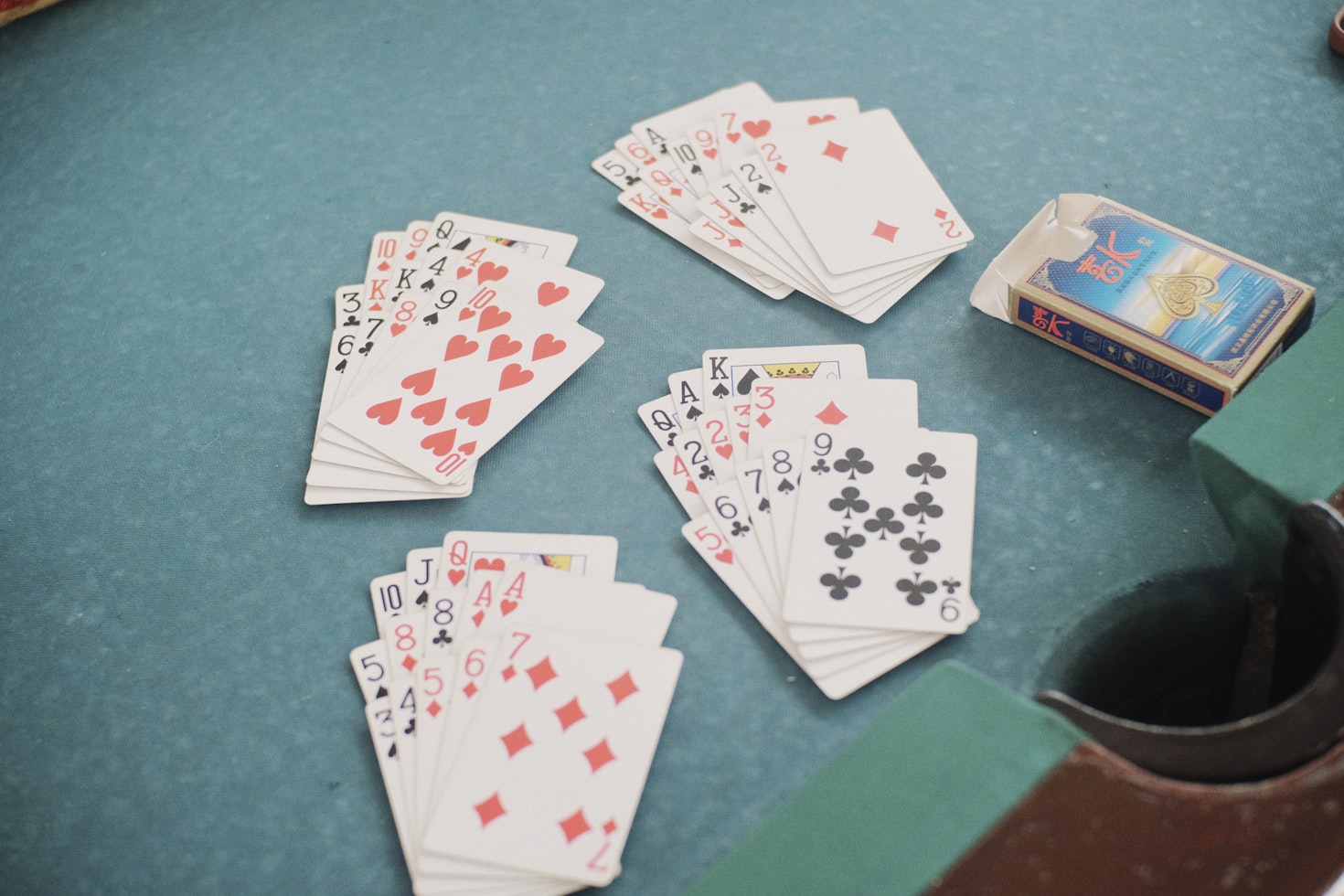
Furthermore, different games exhibit varying levels of variance, which can affect player expectations and strategies. High-variance games, like certain slot machines, can lead to significant wins or losses in a short span, while low-variance games offer more consistent results but smaller payouts. Knowledge of these differences can assist players in selecting games that align with their risk tolerance and expectations for success. This strategic approach highlights how understanding the mechanics of games can supplement the role of luck in determining outcomes.
In addition, recognizing the concept of variance encourages responsible gambling practices. It allows players to understand that a string of losses does not necessarily indicate an impending win; instead, they should assess their strategies and adjust their gameplay accordingly. By grounding their actions in knowledge about variance and luck, gamblers can cultivate a sustainable approach to gaming that prioritizes enjoyment over dependence on chance.
Exploring Resources for Gamblers
As the gambling world continues to evolve, numerous resources are available for those seeking to understand the dynamics between luck, skill, and strategy. Various websites provide insights into game mechanics, responsible gambling practices, and strategies grounded in data. These resources empower players to make informed decisions while fostering a culture of smarter gambling approaches. By taking advantage of such information, players can enhance their understanding and navigate the unpredictable nature of luck more effectively.
In addition, communities and forums centered around gambling can serve as valuable platforms for sharing experiences and learning from others. Engaging with fellow gamblers allows for the exchange of strategies, tips, and personal stories that highlight the intricate relationship between luck and success. These interactions can foster a sense of camaraderie while providing a wealth of knowledge that may not be readily available through other means.
Moreover, as players explore various resources, they should prioritize tools aimed at promoting responsible gambling. Many organizations offer guides, self-assessment tools, and support networks for those who might struggle. This focus on well-being not only helps gamblers understand their relationship with luck but also emphasizes the importance of maintaining a healthy balance in their gambling activities. By utilizing these resources, individuals can approach gambling as a source of entertainment rather than a means to an end, fostering a more sustainable mindset towards luck and success.